
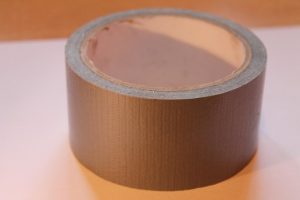
Not all tape is the same. There are different types of tape, two of the most popular being aluminum foil tape and duct tape. They both feature a sticky adhesive on one side, allowing them to cling to objects. Aluminum foil tape and duct tape, however, have different characteristics.
What Is Aluminum Foil Tape?
Aluminum foil tape is a pressure-sensitive tape that features an aluminum backing. It’s not made of cloth, plastic or synthetic materials. Instead, aluminum foil tape is made of adhesive-covered aluminum.
Common applications for aluminum foil tape include the following:
- Heating, ventilation and cooling (HVAC) systems
- Insulation
- Metal fabrication
- Refrigeration
- Vapor barriers
- Aerospace
- Automotive
What Is Duct Tape?
Even if you’re unfamiliar with aluminum foil, you’ve probably heard of duct tape. It’s one of the most versatile and widely used types of tapes in the world. Duct tape is a multilayered, cloth-based tape that was originally developed for the military during World War II. While there are different brands and formulas, most feature a mesh layer, a polyethylene coating and a rubber-based adhesive.
Common applications for aluminum duct tape include the following:
- General repairs
- Bundling cables and wires
- Labeling items
- Patching soft materials
- Mending punctured holes
- Arts and crafts
Differences Between Aluminum Foil Tape and Duct Tape
Aluminum foil tape and duct tape are made of different materials. The former lives up to its namesake by using a thin layer of aluminum, whereas the latter uses a woven cloth scrim that’s covered with plastic. Because they use different materials in their construction, aluminum foil tape and duct tape have different properties.
For applications involving heat, there’s no better choice than aluminum foil tape. It can withstand extreme heat without degrading or failing. Many varieties, in fact, are rated for 300 to 600 degrees Fahrenheit. Duct tape lacks the heat-resistant properties of its counterpart. When exposed to heat, it will soften and deteriorate.
Aluminum foil tape also offers superior sealing capabilities. The foil backing creates a continuous barrier to minimize the risk of air leakages. As a result, many HVAC technicians prefer aluminum foil tape when sealing ductwork.
Another advantage of aluminum foil tape is durability. It typically lasts a very long time. Even when exposed to fluctuating temperatures, it will maintain a strong bond. Duct tape, on the other hand, has a shorter lifespan due to its cloth-based construction.
There are still reasons to use duct tape. Not only does it cost less than aluminum foil tape; it’s also more flexible. You can easily bend duct tape around corners and irregular surfaces, whereas aluminum foil tape is stiffer and more difficult to bend.